Radiation-damping diffusers (Thales)
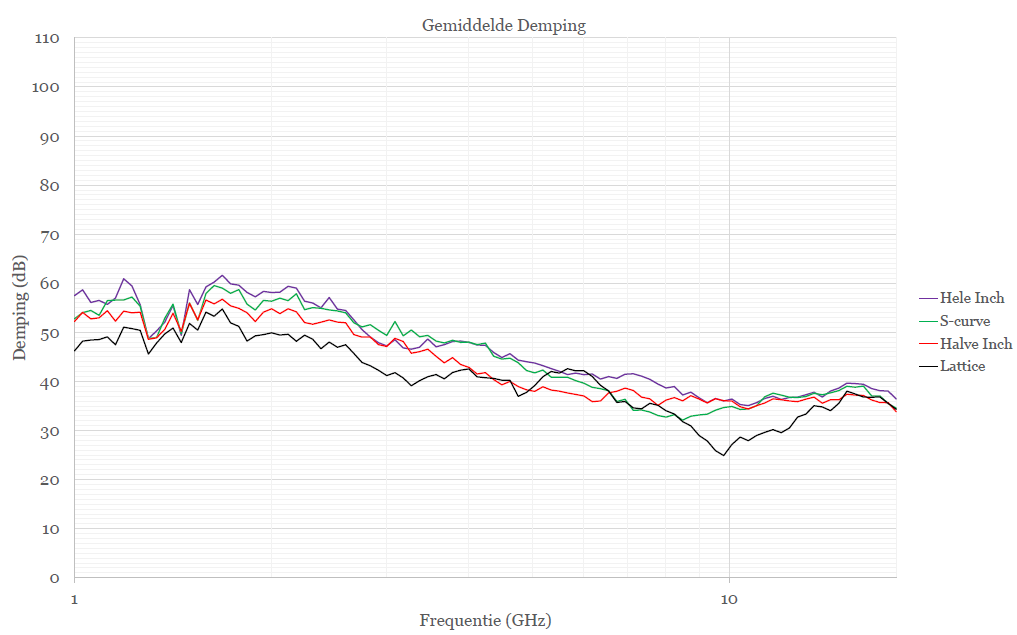
• Goal: The goal of this research is therefore to see what can be achieved with the 3D printing of an air grille for attenuating radar radiation, Thales’s requirement for the grille was to achieve 60 dB of attenuation for the X band.
• Approach: FEM simulations in COMSOL and experimental tests using the Dual VIRC measurement setup.
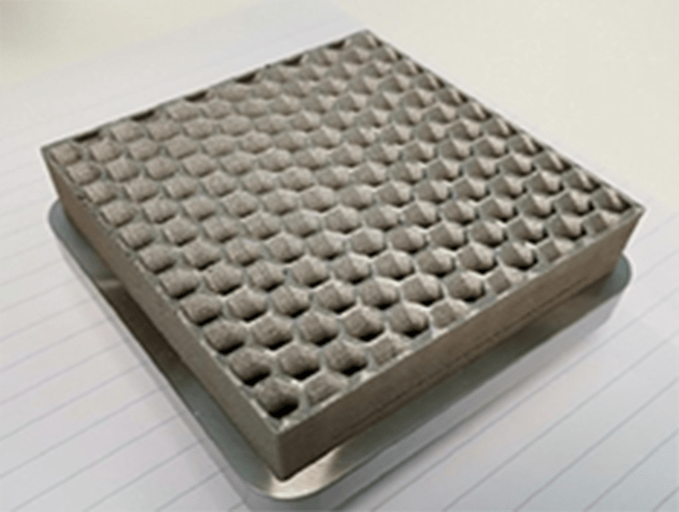
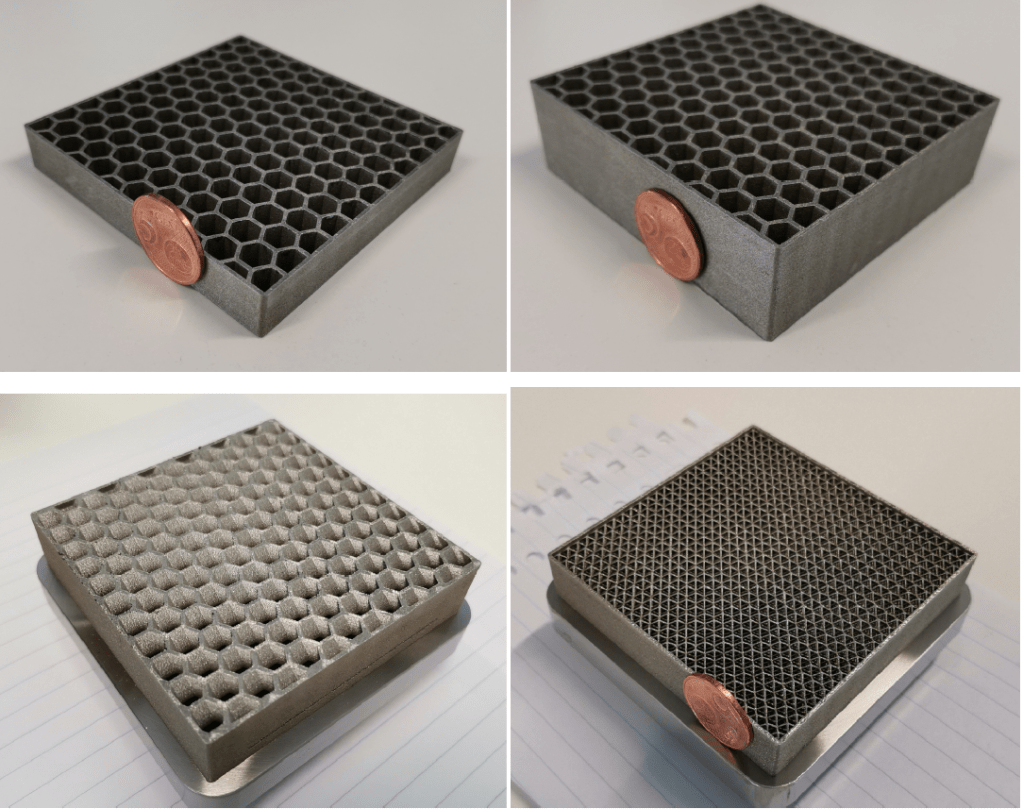
• Outcome: Comparison between attenuation values of 4 different grids; hexagonal grid (half inch and full inch), hexagonal grid with a “bend”, and a lattice grid. It can be said that the influence of the waveguide radius has a greater effect on the damping than the influence of the waveguide length. In addition, the choice of material and surface roughness also has a strong influence. No good comparison can be made between the experimental values of the grids, because a limit has been reached in the measurement system.
• Profit for the company: Limit of the measurement system discovered. Possibility of printing the grids demonstrable, with ideas to increase the radiation damping value.
Graduation assignment: Siebe van Putten
 3dmetalprintsaxion.photo.blog